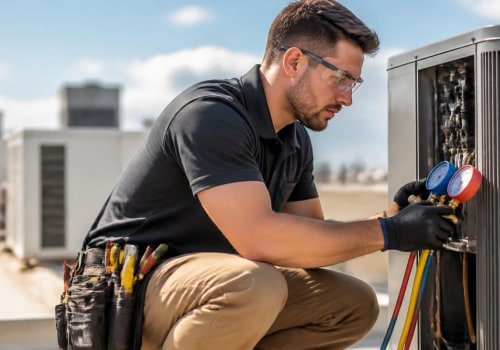
Changing careers can be a daunting prospect, especially when considering a shift to hands-on jobs that pay well. Many individuals find themselves yearning for a more fulfilling professional life that allows them to engage in practical work rather than being confined to a desk. Whether you are disillusioned with your current job or simply seeking new challenges, transitioning to a skilled trade career could be the answer you’ve been looking for. This article serves as your guide through the essential steps to take when changing careers to a trade, ensuring you are well-informed and prepared for this exciting journey. The skilled trades offer a variety of rewarding opportunities that not only promise job satisfaction but also competitive salaries.
From electricians and plumbers to welders and carpenters, these professions play a crucial role in our society while also providing individuals with the chance to earn a good living without the burden of extensive college debt. As you explore the possibilities of switching to a trade career, understanding the steps involved in this transition is vital. In the following sections, we will outline key considerations such as assessing your skills, researching potential trades, seeking proper training, and navigating apprenticeship programs, all designed to help you successfully embark on your new career path. As more individuals seek rewarding and sustainable career options, From electricians and plumbers to welders and carpenters, these professions play a crucial role in our society while also providing individuals with the chance to earn a good living without the burden of extensive college debt. As you explore the possibilities of switching to a trade career, understanding the steps involved in this transition is vital. In the following sections, we will outline key considerations such as assessing your skills, researching potential trades, seeking proper training, and navigating apprenticeship programs, all designed to help you successfully embark on your new career path. As more individuals seek rewarding and sustainable career options, hands on jobs that pay well have gained significant traction, particularly among school leavers and those considering a career shift. The appeal of skilled trades lies in their strong earning potential, job stability, and the opportunity to engage in practical, fulfilling work without the necessity of a university degree.
If you're contemplating a transition to a skilled trade, there are several important steps to consider that can help you navigate this exciting journey. The first step in changing careers to a trade is conducting a thorough self-assessment. Take time to reflect on your interests, skills, and what you enjoy doing. Consider questions like: What tasks do I find fulfilling? Am I more comfortable working with my hands than sitting at a desk? This reflective process can help you identify which skilled trades resonate with your passions and capabilities. Once you have a clearer understanding of your interests, it's essential to research different trades available in the job market. Focus on high-paying options such as plumbing, electrical work, or HVAC (heating, ventilation, and air conditioning).
Investigate the job descriptions and typical responsibilities associated with these roles. For instance, plumbers install and repair piping systems; electricians handle electrical installations and maintenance; HVAC technicians work on heating and cooling systems. Understanding the physical nature of these roles is crucial as these jobs often require manual dexterity, physical stamina, and problem-solving skills. It's also vital to familiarize yourself with the potential earnings in your chosen field. Research statistics or general salary ranges for various trades to gain insight into what you can expect.
For example, many skilled trades offer salaries that rival those of traditional four-year degree professions, often with less student debt and quicker entry into the workforce. This information can be motivating as it highlights the financial benefits of pursuing a career in a trade. The next step involves exploring training pathways available for aspiring tradespeople. Many skilled trades offer apprenticeship programs where you can learn on the job while earning a wage. Additionally, vocational schools provide targeted training programs that equip you with the necessary skills for specific trades.
Certifications may also be required depending on the trade you choose. Research your options thoroughly to determine which pathway aligns best with your circumstances. Finding apprenticeships or entry-level positions is essential for gaining hands-on experience. Look for local trade unions, vocational schools, or industry-related organizations that can help connect you with apprenticeship opportunities. Networking within the industry is equally important; attending trade shows or local events can help you meet professionals who may provide guidance or job leads. As you embark on this transition, remember that there are numerous resources available for further guidance and support.
Websites dedicated to career transitions often provide valuable insights into different trades, including job profiles, training requirements, and industry news. Engaging with online forums or local community groups can also offer encouragement and advice from those who have successfully made similar career changes. In conclusion, transitioning to a skilled trade can lead to a rewarding career filled with opportunities for growth and financial stability. By following these steps—conducting a self-assessment, researching trades, understanding potential earnings, exploring training pathways, finding apprenticeships, and leveraging networking—you will be better prepared to take the leap into a fulfilling hands on job that pays well. Embrace the journey ahead as you work towards a successful career in the skilled trades.
Navigating Certification and Licensing Requirements
As you embark on your journey towards hands on jobs that pay well, understanding the certification and licensing requirements for your chosen trade is crucial.Each skilled trade has its own set of regulations that can vary significantly by location and specialty. For instance, trades such as plumbing, electrical work, and HVAC (heating, ventilation, and air conditioning) typically require specific licenses to ensure compliance with local laws and safety standards. Most often, obtaining a license involves completing a certain number of hours in training or apprenticeships, passing exams, and sometimes acquiring additional certifications that validate your expertise in the field. For example, electricians need to pass an exam that tests knowledge of electrical codes and safety practices, while plumbers may be required to have a certain level of experience before taking their licensing exam. It’s also important to consider certifications that can enhance your qualifications.
Many trades offer specialized certifications that demonstrate advanced skills or knowledge in particular areas, such as residential wiring for electricians or green plumbing techniques for plumbers. These certifications can improve job prospects and earning potential, making them a valuable addition to your career toolkit. Before starting your transition, research the specific requirements for the trade you are interested in. This will help you map out the necessary steps to meet all legal obligations while equipping you with the credentials needed to secure a position in a rewarding field.
Understanding Training Pathways
As interest in hands on jobs that pay well continues to grow, understanding the various training pathways available is essential for those looking to transition into a skilled trade career. There are several options for gaining the necessary skills and qualifications, two of the most popular being apprenticeships and vocational programs.Apprenticeships
are a time-tested method for entering a skilled trade.They combine hands-on training with classroom instruction, allowing individuals to earn while they learn. Apprentices work under the guidance of experienced professionals, gaining practical skills that are directly applicable to their chosen field. This path not only provides valuable experience but often leads to a job offer upon completion, as employers prefer to hire those who have been trained within their specific environment. On the other hand, vocational programs offer an alternative route for individuals who may prefer a more structured educational setting. These programs are typically offered by community colleges or technical schools and focus on teaching the specific skills needed for a particular trade.
They can vary in length, from a few months to a couple of years, and may include certifications that enhance employability in the job market. While vocational programs often require tuition fees, they can provide a fast track to entering the workforce and securing one of the many hands on jobs that pay well.Ultimately, whether you choose an apprenticeship or a vocational program depends on your personal learning style and career goals. Both pathways offer unique advantages and can lead you toward a rewarding career in skilled trades.
Self-Assessment: Finding Your Fit
Before diving into the world of hands-on jobs that pay well, it's essential to conduct a self-assessment to identify your skills and interests. This step is crucial for determining which skilled trades align with your strengths and passions.Start by reflecting on activities you enjoy and excel at. Do you prefer working with your hands, solving problems, or being outdoors? Understanding your preferences can guide you toward a trade that feels less like work and more like a fulfilling career. Next, consider your current skill set. Are you mechanically inclined? Do you have experience in construction, automotive repair, or electrical work? Taking stock of your existing abilities can help narrow down your options. You might also want to take a skills assessment test, which can provide insights into areas where you may thrive. Additionally, think about the type of environment you want to work in.
Some trades require teamwork and collaboration, while others may involve more solitary work. Understanding your ideal work environment can also play a significant role in your career satisfaction. Finally, engage in conversations with professionals already working in the trades you are interested in. Their insights can provide a realistic view of what to expect and help you evaluate if it’s the right fit for you. By taking the time to assess your skills and interests, you'll be better equipped to choose a trade that not only pays well but also resonates with who you are.
Gaining Experience and Building Networks
As you consider a transition to skilled trades, gaining experience and building networks are crucial steps in paving the way to success.Many individuals are drawn to hands-on jobs that pay well due to their practicality and high earning potential. However, breaking into these fields often requires more than just interest; it necessitates a proactive approach in securing opportunities that provide real-world experience. One of the best ways to get started is by seeking out apprenticeships or entry-level jobs. These positions not only offer you valuable hands-on training but also allow you to learn from seasoned professionals in the trade. Research local trade schools, industry associations, or community colleges that may offer apprenticeship programs or job placement services.
Additionally, online job boards and local classifieds can be excellent resources for finding entry-level positions in your desired field. Networking is another essential component of successfully transitioning to a trade career. Engaging with others in the industry can open doors to new opportunities and provide insights into the skills needed for success. Attend trade shows, workshops, or local meetups where you can connect with professionals and fellow aspiring tradespeople. Don't underestimate the power of social media platforms like LinkedIn or trade-specific forums, where you can join discussions and seek advice from those already established in the field. Ultimately, by gaining experience through apprenticeships and building a strong network, you’ll not only enhance your skills but also position yourself favorably in the job market for hands-on jobs that pay well.
Embrace every opportunity to learn and connect, as these efforts will significantly contribute to your career transition journey.
Researching High-Paying Trades
As interest in hands on jobs that pay well continues to grow, many individuals are exploring the various skilled trades that not only offer fulfilling work but also a lucrative paycheck. The demand for skilled tradespeople is rising across multiple sectors, making it an opportune time to consider a career change into these fields. From plumbing and electrical work to welding and HVAC (heating, ventilation, and air conditioning), there are numerous options available that provide solid earning potential without the need for a four-year college degree. One of the most sought-after trades today is electrical work. Electricians are essential for both residential and commercial projects, and with the ongoing advancements in technology, their skills are increasingly in demand.Many electricians earn competitive wages, especially those who take on specialized roles or become licensed contractors. Another high-paying trade is plumbing. Plumbers not only work on installations but also handle repairs and maintenance, making their skill set invaluable. With the increasing complexity of plumbing systems in modern buildings, skilled plumbers can command high hourly rates and often enjoy job security due to the necessity of their services. Welding is another trade that deserves attention. Welders work in a variety of industries, including manufacturing and construction, and their expertise is critical for building infrastructure, vehicles, and machinery.
With the right certifications and experience, welders can secure well-paying positions, especially in specialized areas such as underwater welding or pipefitting. Additionally, HVAC technicians are vital for maintaining comfortable living and working environments. As energy efficiency becomes more important, skilled HVAC professionals who can install and maintain advanced systems are increasingly sought after. The combination of technical skills and knowledge in this trade can lead to substantial earnings. In summary, researching these high-paying trades can reveal numerous opportunities for those looking to transition into a skilled career. With a variety of pathways available that do not require a university degree, individuals can find rewarding hands on jobs that pay well, contributing to their long-term career satisfaction and financial stability. In conclusion, pursuing a skilled trade career offers numerous advantages over traditional office work.
Hands on jobs that pay well provide not only strong earning potential but also the opportunity for job stability and personal fulfillment. As you embark on this journey, take the time to explore your options, conduct thorough research, and connect with professionals in your desired field. The path to a successful career in a skilled trade is within your reach, and it starts with taking proactive steps today. Remember, the world of hands on jobs that pay well is thriving, and by making informed choices, you can build a rewarding future in a field that values your skills and contributions.